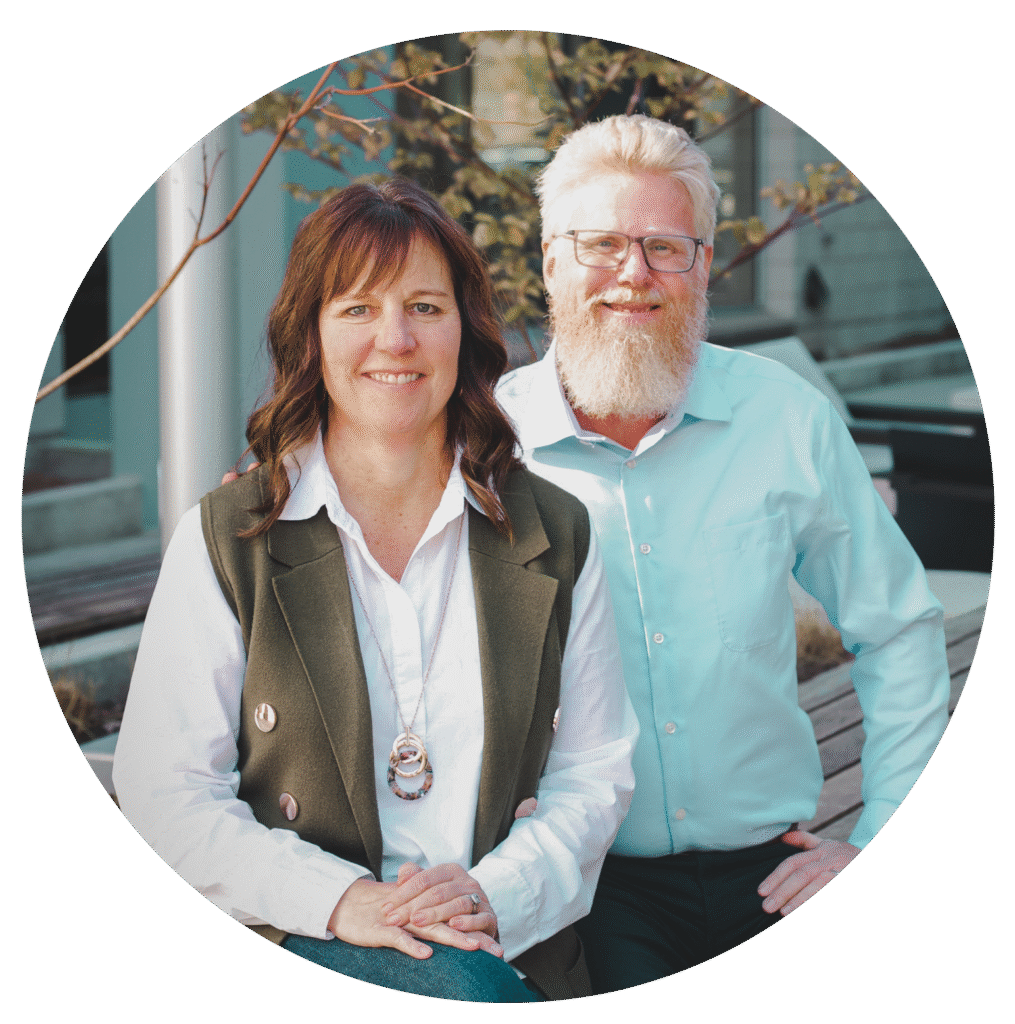
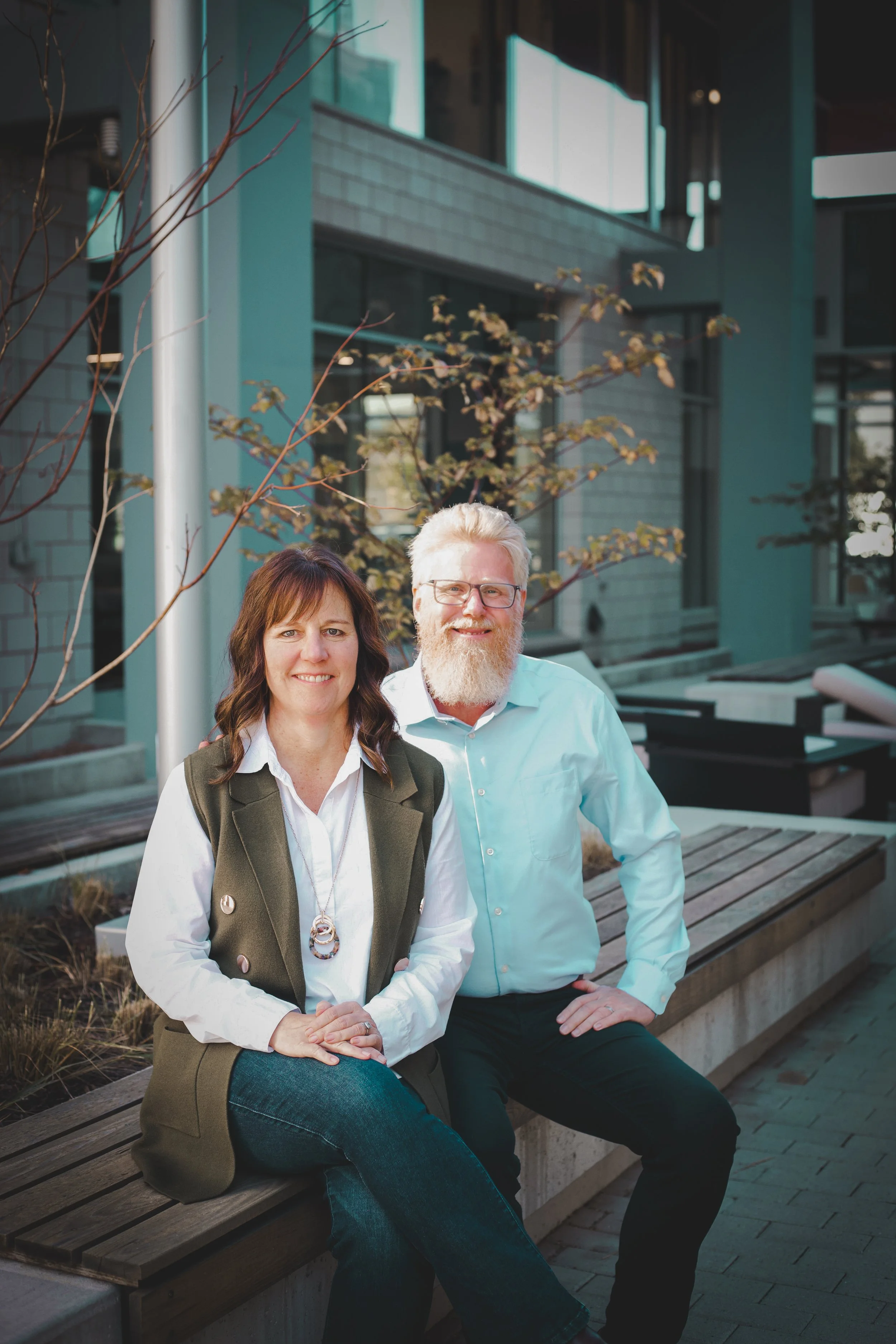
They may go by the term blended, but second-time families are better compared to a crockpot, because they need time to marinate. Get Up Close and Personal with Kristine and Mike Stensland, relationship educators with expertise in divorce recovery and blended families who serve the Rochester, Minnesota, area. They’ve led Divorce Care, pre-marital and blended family programs and founded non-profit Guide Your Heart to equip people to navigate these complexities. Kristine holds an MBA in Finance and a Master of Health Care Administration. Mike, who runs Agile Outcomes Consulting, has doctoral degrees in applied quantitative psychology and clinical psychology. The two also created Genograms.com and Blending.love family mapping software companies.

Up Close & Personal Interview

More videos featuring Mike & Kristine Stensland

God brings beauty from ashes and redeems the years the locusts have eaten. Many leaders might agree their ministry grew out of their personal experience. They weathered a difficult season or situation and wanted to share lessons learned. Kristine and Mike Stensland’s experience with divorce and remarriage inspired them to help others overcome obstacles and merge more successfully. Their situation exemplifies some of the differences blended families experience compared to first-time families. The couple spent the first 12 of their now 19-year marriage living in separate states and time zones one week a month as part of Mike’s custody arrangement so he could stay connected with his young daughters.

It was Kristine’s Mothers of Preschoolers leader who introduced her to her brother Mike, himself recently divorced and also the parent of two young children. The couple bonded through their common pain.

Additional Resources by: Mike & Kristine Stensland

Guide Your Heart

Guide Your Heart is a marriage counseling service based in Rochester, MN. Mike and Kristine Stensland are a husband-and-wife team specializing in providing pre-marital coaching

Read More »

Guide Your Heart

We support relationship wellness to strengthen the most valuable relationship in the home – the couple. Strong relationships. Strong families. Strong communities. Guide Your Heart

Read More »

blending.love

Becoming a blended family is a journey. At blending.love you create a customized map of your blended family to help guide your journey. Answer a

Read More »

Genograms

Create clear, interactive family maps faster than ever with HIPAA-compliant software that saves you time and reveals clinical insights in minutes. Say Goodbye to Outdated

Read More »

Connect with Mike & Kristine Stensland on Social Media

Blended Love | Kristine and Mike Stensland Draw from Divorce Pain to Counsel, Lead Second-Time Families

God brings beauty from ashes and redeems the years the locusts have eaten. Many leaders might agree their ministry grew out of their personal experience. They weathered a difficult season or situation and wanted to share lessons learned. Kristine and Mike Stensland’s experience with divorce and remarriage inspired them to help others overcome obstacles and merge more successfully. Their situation exemplifies some of the differences blended families experience compared to first-time families. The couple spent the first 12 of their now 19-year marriage living in separate states and time zones one week a month as part of Mike’s custody arrangement so he could stay connected with his young daughters.

It was Kristine’s Mothers of Preschoolers leader who introduced her to her brother Mike, himself recently divorced and also the parent of two young children. The couple bonded through their common pain.

They knew merging their families with four young children would be a challenge. They attended a Smart Stepfamilies conference offered by FamilyLife Blended’s Ron Deal even before they were married, which helped them understand what it would look like to be in a multi-household family, with different spiritual beliefs, cultures, rules and personalities. They married in 2006 and in 2007 and began facilitating a Divorce Care group at their church – a practice they continued for more than seven years. Enough people asked them for guidance that they began a blended family group that met monthly for several years. The group studied the Smart Stepfamily material, shared marriage enrichment resources, and offered fellowship and support.

“We knew the complexities of stepfamily life,” Kristine said, “and we had already gained trust and respect from our pastor because of our work with Divorce Care.” “We didn’t have all the right answers,” Mike added, “but we knew the wrong ones to avoid.” Their mission as a couple has become to strengthen marriages, relationships and families. They evaluate everything they do – whether work or ministry – through that lens.

They have since become well known in the Rochester, Minnesota, area as relationship educators with expertise in divorce recovery and blended families. They’ve led single mom retreats and adventure dates, counseled couples and ministered to first responder chaplains – “however service opportunities arise,” Kristine said.

The Stenslands share the following suggestions that address the challenges of second marriages.

  1. Maintain a strong marriage. The couple serves as the “leadership team” for the family. Be aware of forces pulling you in different directions.

  2. Be patient with merging families. Despite the term “blended,” consider the process more like a crockpot rather than a blender. Families do better with gradual integration.

  3. Biological bonds are the strongest.  Managing different homes, schedules, personalities, histories, and rules is undeniably complex. Recognizing the strength of biological bonds is crucial, as it impacts how conflicts are approached and resolved.

  4. Pursue understanding of your stepchildren. Establish connections by investing time in understanding their interests, supporting their activities, and planning special outings. Strive to become a significant adult figure and mentor.

  5. Seek resources, support, and community. 25-40% of families in the US involve stepfamily relationships. Connect with or initiate a group for blended families, seek the guidance of a blended family coach, or utilize resources like blending.love, designed to assist in understanding and navigating your unique blended family.

The Stenslands were inspired to help people avoid becoming a divorce statistic, so they began working with pre-marital couples as Prepare/Enrich facilitators and trainers. “The cultural message is if you are not happy, just get a divorce,” Mike said. “If you have children, it’s quite a different thing. A lot of pain is going to follow. It is nice to catch people before.” Prepare/Enrich gives people a framework to have discussions and teaches communication and conflict resolution skills, so couples are prepared when they hit life’s inevitable bumps. “When you are together long enough, you’ll find the places where you fit together perfectly wrong,” Mike said.

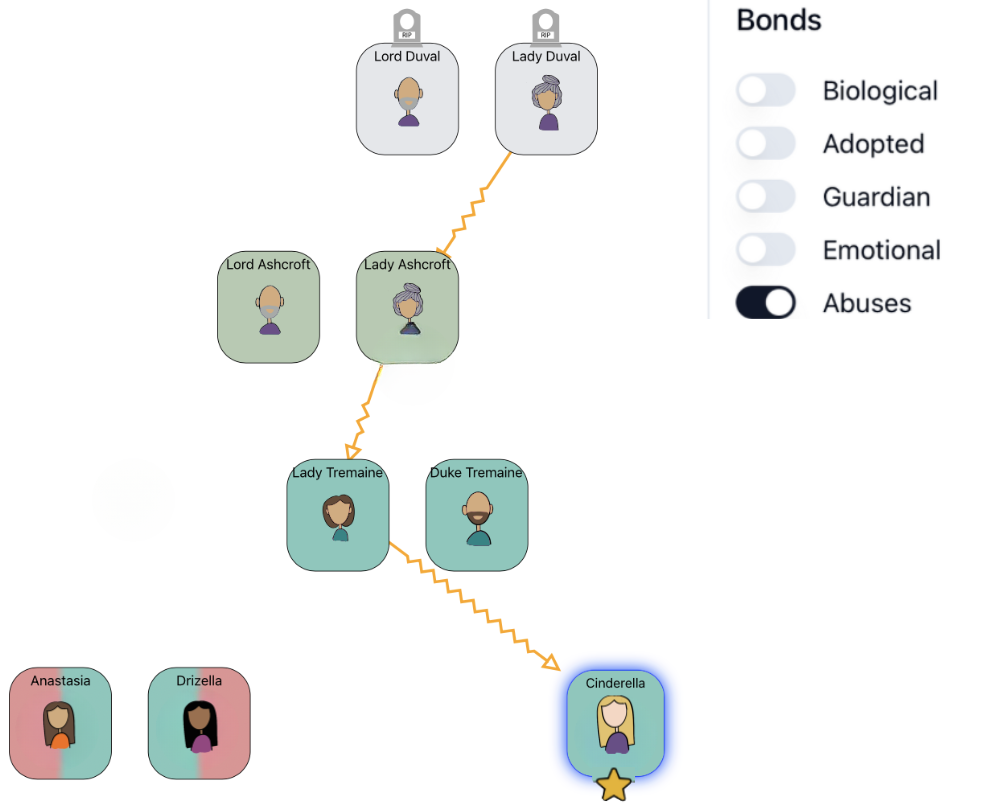
The couple continued to connect with FamilyLife Blended and remembered a family map exercise introduced at the Smart Stepfamilies conference. With doctorates in both applied quantitative psychology and clinical psychology, Mike was intrigued with the idea of digitizing the family map process to make it more accessible. His work through the Agile Outcomes consulting company he founded helps him “answer questions that matter to have impact going forward. We need to change how families see things,” he said. In 2017 he created the website, blending.love, what he and Kristine jokingly call, “The world’s most complicated questionnaire,” to help people visualize all parties in a multi-household family and help them work better together.


The exercise asks people to list everyone their children would consider to be part of their family – not just those who live in one of their houses – and how they are connected. This includes the other parent, the other parent’s spouse or partner, step- and half-siblings. It helps them recognize the big, complicated, multiple- house organism, with complex biological, legal and emotional bonds, from both the parents’ and the children’s perspectives. Many times, “People don’t want to stick out – they just want the sometimes irritating ex-spouse to go away so they can consider themselves a first-time family,” Mike said. “But that just puts the kids – the ones least capable of navigating that – in the middle.” The blending.love map is illuminating for the family. It’s featured as the first resource in Ron Deal’s book, Preparing to Blend. Each layer of the family map generated in blending.love provides talking points and a video of Ron Deal unpacking each layer of the map.
Kristine recommends those in or leading a divorce care or blended family group utilize belending.love by having participants create their own family map.  “Seeing everyone’s map, with all their names and relationships, equips me to know people better and keep better track of them,” Kristine said. The map also highlights the different bonds between people. The Stenslands note the biological bond is always the strongest. “We want to pretend we love everyone the same, but you definitely have a deeper and different love for your biological children,” Kristine said. “I have yet to meet a blended family where that isn’t the case. We have heard it called bio-fog and step-vision, and those terms explain it nicely. It’s very easy to see the faults of your stepchildren while ignoring those of your bio kids. So, explaining that concept gives people the permission to accept their feelings and let go of any shame they may feel for having a stronger connection to their bio-children.”

Legal bonds pose other challenges. Unless they have adopted their stepchildren, stepparents have no legal rights when it comes to their stepchildren. They can’t consent to medical treatment or sign a school permission slip.

Emotionally, children may feel like they are betraying their bio parent if they speak positively of a stepparent. Kristine heard the story of one little girl who asked if it was ok to pretend not to love her stepmother when she was at mom’s house. Holidays are fraught with complexity –especially Christmas – when each of the four sets of grandparents feels entitled to time with potentially different subsets of the children.

“How in the world do you manage that?” Mike said. “We’ve heard kids say they don’t feel like they belong at any of the Christmas celebrations. The problem is, they belong at all of them.”

In 2021, the Stenslands founded Guide Your Heart as a non-profit to reduce financial barriers and help people, “cut through the clutter of bad relationship advice and equip people with practical resources to empower them to navigate the complexities of marriage, divorce, and blended families,” according to the website. Mike and Kristine provide pre-marital and marriage coaching to support couples and give them the tools needed to enjoy a fulfilling marriage. They offer one-to-one and group sessions in packages that include at-home assignments.

Recently, Kristine became a Minnesota “qualified neutral” or mediator. She’ll provide mediation services with the goal of keeping relationships intact during a family dispute, and especially when a couple is negotiating divorce or child custody. She will facilitate a conversation “so they respect and hear each other with some sense of being worthy and seen.” Mike also has considered going into private practice as a clinical psychologist.

Their latest project, Genogram.com, offers digital software to illuminate a family system. “Families function differently based on their structure,” Mike said. The software is designed to help families understand their family structure and identify intergenerational patterns of behavior like addiction or abuse that exemplify less than optimal patterns of wellness. They are proud to report the Genogram project has been a family affair. The three oldest children in the Stensland’s blended family studied computer science and contributed to the site’s design and the youngest now provides feedback on the user experience of the software

Mike believes Genogram.com provides a new way to quantify relationship health, offering insights into emotional triangles that he hasn’t seen reflected in clinical publications. He explains one triangle with an example of a child being caught in the middle between two parents who both love the child but don’t like each other. Each will unconsciously pull for the child to take their side, which can be very stressful. “Once people start to recognize their triangles and how they are pressuring their relationship bonds, they can change to improve family function,” he said. “Even children can understand it. The more we can help people be aware and give them words and resources to help them, the more they can make it safe for the kids to love.”

You will find the Stensland’s work and blending resources at blending.love. Follow their nonprofit initiatives at Guideyourheart.org. And check out their latest project at Geonograms.com.


Written by Amy Morgan

Share this post with your friends

Subscribe to our Newsletter

Get The Latest Updates!