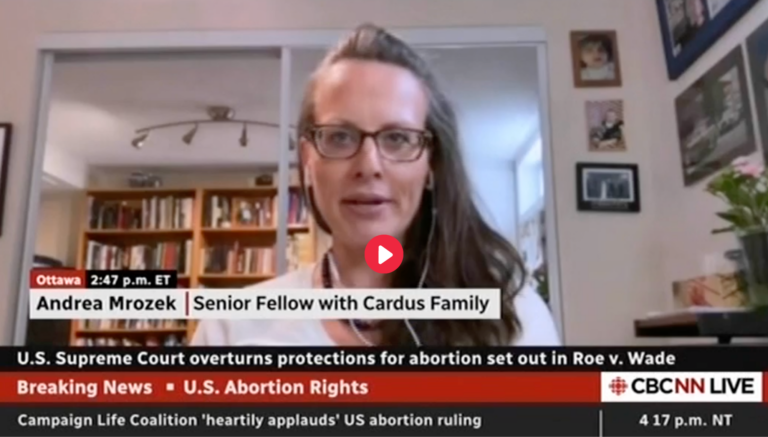
She touts the benefits of marriage, which she noted seem revelatory for those outside the social science/religious/marriage champion realm. “I thought everyone knew about the basic advantages of marriage – health, happiness, improved finances,” she said, “but people seem very interested in it.”
Contrary to arguments from feminists that marriage for women is akin to modern day slavery,
Andrea cites several specific protections marriage offers women – including protection from predatory sexual behavior. “Men and women, on average, respond differently to having sex. With this different response, marriage protects women from men who are more likely, statistically, to take a more casual attitude toward sex, or men who are utilitarian about wanting sex without any other commitments. Marriage is a way of saying that sex de facto comes with other commitments and thus lessens the chance that a woman will either be, or feel, mistreated sexually in a relationship.
“When sexual activity was constrained to within marriage, sex was also more clearly linked to the possibility of having children.” she added. If a woman does end up having a child, marriage is the thing that draws and keeps a man involved, ensuring they are not parenting alone.
“People really want to know the why of marriage – just saying it provides social stability isn’t a wow factor,” she added. The marriage advantage applies to all things – knowing someone has your back, having someone to come home to – improve happiness and health. Strong partnerships, of which marriage is the gold standard, help people withstand the stress of illness, she said, citing research that those who were partnered experienced an increased ability to survive cancer or heart attack.
“It is hard to teach a 25-year-old they will not be healthy nor beautiful forever. As we get older, things seem more true – we realize what it feels like to live alone for decades. One day our worth won’t be dictated by the vicissitudes of the market, and we’ll want to fall back on family relationships. We are trying to create a climate where marriage and family are a normal part of the life script.”
Family is an institution for all, and marriage is a critical component of family. It provides meaning and stability in a transitory world. The language and logic of marriage as a social institution contributes to a flourishing society – even for the non-religious, and maybe even more so, as those without a faith or church community have fewer supportive social structures on which to rely, she noted.
“One consistent point remains. People continue to long for love, companionship, stability and romantic partnership. The idea of partnering up in life remains desirable for most people. Married couples remain the most common family form across North America,” she wrote.
Any long-term partnership is held together by a variety of factors. Since the 1980s, emotional attachment has been emphasized.
Like Brad Wilcox, Andrea decries society’s more recent focus on the “soulmate” marriage model, characterized by the quest to find “the one” who will be a perfect completion. The soulmate model prioritizes individual needs and understands marriage as a private relationship between two people, centered on individual happiness, personal fulfillment, and romanticized ideas of love. She believes this model places unrealistic demands on partners. Relying too heavily on emotions diminishes the rewards of longevity and fails to value other aspects of marriage that benefit family members and wider society. “Love has indeed conquered marriage, as scholar Stephanie Coontz wrote,” she said.