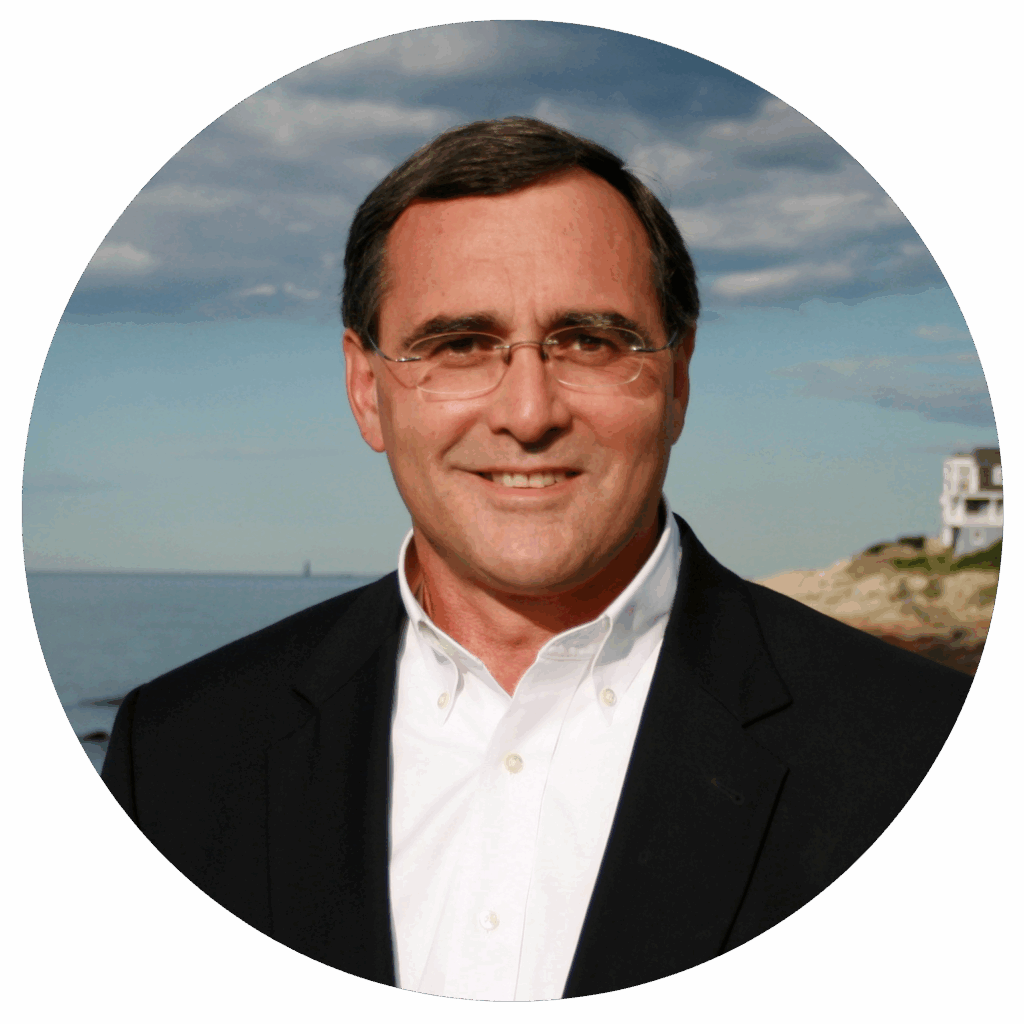
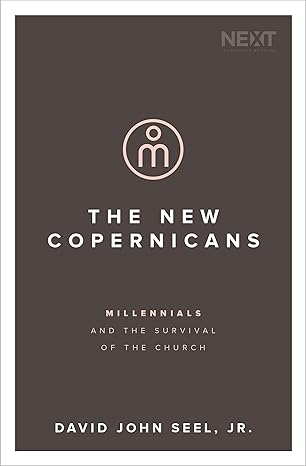
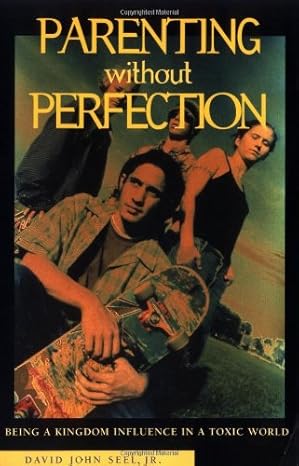
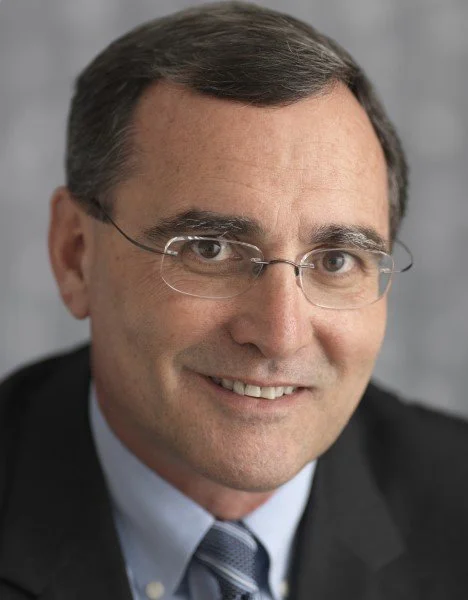
David John Seel, Ph.D., has been called a Christian thought leader. The educator, businessman, writer, “recovering academic,” and college professor studies culture, sociology, politics, theology, works with millennials and AI. John somehow combines the various sources and streams into original, inspirational and prescient ideas he shares through his many publications and speaking engagements.

John’s August credentials include bachelor’s degrees in history, business and philosophy, an M.Div. from Covenant Theological Seminary, and a Ph.D. in American Studies from the University of Maryland at College Park. He’s been involved in founding The Williamsburg Charter, The Trinity Forum, the Institute for Advanced Studies in Culture at the University of Virginia, The Cambridge School of Dallas, and the Council on Educational Standards & Accountability.
He describes his journey as being influenced by place, people and pain. A former MK (missionary kid), John’s worldview was shaped at an early age by his experiences growing up overseas, which made him sensitive to cultural differences. One of his earliest role models was his father, a gifted cancer surgeon who took the family along when he served as a missionary in Korea. John noted his namesake left some very large footprints for him to follow. He also credits Francis Schaffer, C.S. Lewis and Dallas Willard as inspirational. Pain arrived in the form of a divorce after 18 years of marriage. Although John was awarded uncontested sole custody of his two sons, those years were marked by brokenness. He now can be grateful for how the experience changed him. His current wife, to whom he has been devoted for more than 30 years, reminded him to “never trust anybody who doesn’t walk with a limp.”
“There’s something gracious about broken people,” he added.
John recently posited that “the moment we are living in is one of the most interesting times to be alive as a follower of Jesus Christ.” He believes the world is shifting in ways society has not seen in 500 years. “We have to understand how to respond as faithful believers in Jesus in this moment, and it’s a big deal.”
He noted the 2024 uptick in young people, particularly Gen Z men, returning to church. He believes they are fed up with meaninglessness. “Young people are desperate about knowing how to have a marriage and clueless how to have it,” he said. “They have no mentors and no idea from culture what it entails.” He challenges leaders to “present a vision of the possible in a way that is compelling, attractive and winsome.”
Today, people don’t have a good definition of marriage. They may use the word, but the underlying meaning varies. Rather than a sacramental marriage of the past, most people today think of marriage based on consent, which explains why fewer marriages are taking place in church. He believes America might be in a cultural rebound – a potential marriage renaissance. “The need to belong is now seen as a recognized right like air, water, and food. Historically marriage has been the main social expression of human belonging.”
“The human longings suggest that something like marriage is needed. And the social science findings suggest that there is something metaphysical—something grounded in reality—about the contours of a traditional marriage. If the human longing and social science data are taken together, what it points to is a potential renaissance in a reframed understanding of marriage….”