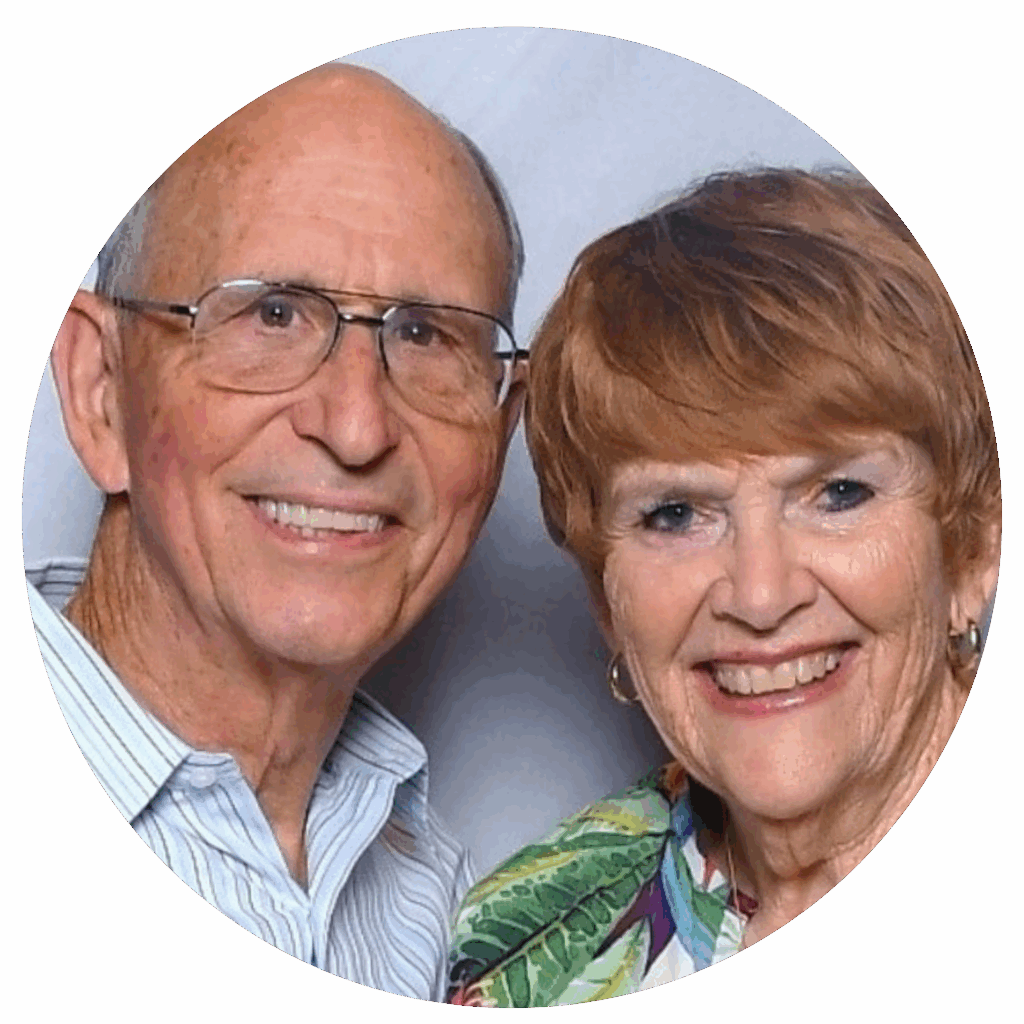
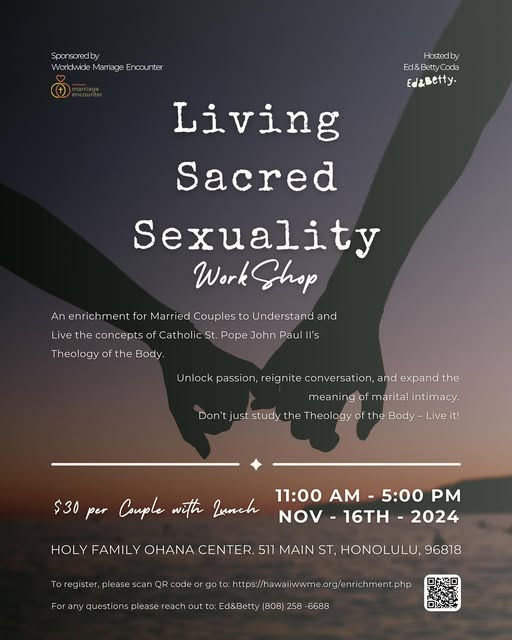
The Codas continue to teach Living Sacred Sexuality several times a year across Hawaii. Its cornerstone is adopting “JB2” (John Paul II)’s theology into practice. One illuminating principle is how differing masculine and feminine aspects of personhood affect relationships. “We say they are complimentary, but we realize how those aspects can be irritating to the other,” Betty explained.
They describe an occasion when Ed was sharing some deep thoughts as they walked along Waikiki Beach. All of a sudden Betty interrupted to exclaim how beautiful a flower was. Ed was initially deflated, thinking she wasn’t paying attention to him. But then he stopped to reflect… He’s the hunter, she’s the gatherer. He took a moment to look at the flower, and in all their years in Hawaii, he realized he had not seen a flower as unique and beautiful as the one Betty had pointed out. He had a choice how to respond. Instead of being irritated, he said something like this, “You know, Betty, you put all the color in my life. My life would be black and white without you.” Betty appreciated his tender response and the way he brings his strengths to their relationship.
“God made us the way we are so we could complement each other and be more whole together,” she said.
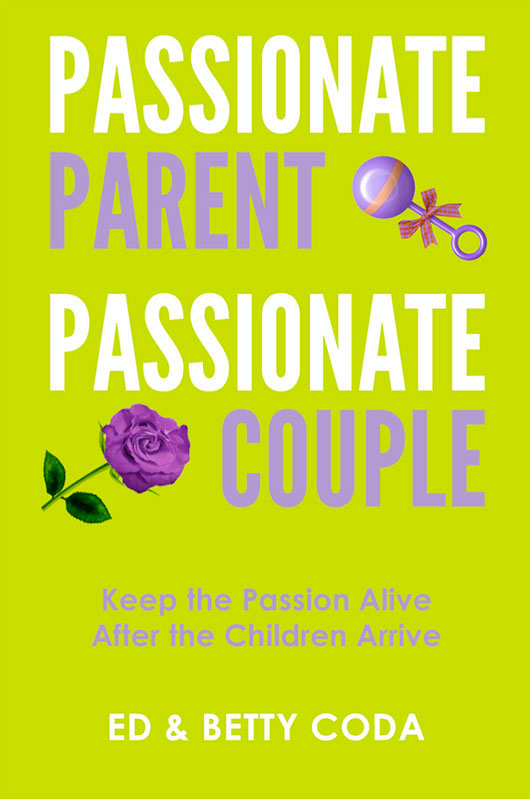
In the same way their obvious warmth and regard for each other draws people like a moth to a flame, so too, does their close family. People kept asking them their parenting secrets, so in 2010 they wrote the book, Passionate Parent Passionate Couple (recently revised and available at https://www.ednbetty.com/ourbook/p/passionate-parent-passionate-couple.)
In it, they explain their philosophy of a couple-first parenting style. They devote the first three chapters to couple-ness. They learned long ago that keeping their own relationship passionate and strong was the best gift they could give to their children. They begin with their vow to continue to pursue growth, whether through a marriage retreat, watching Theology of the Body videos or reading relationship books. Betty and Ed agreed they needed to practice skills they learned between the two of them before they expected any plan to translate to their family.
They also encourage couples to make their sexual relationship sacred, and they are big believers in humor and laughter.
In chapter four they transition to family foundations. A chart demonstrates how children need to know they belong in their family. Children will meet that need with negative interaction if they don’t feel enough positive affirmation, the Codas cautioned. When a child’s positive interaction tank is full, everyone cooperates, and the family runs smoothly. They focused on affirming their children’s positive efforts as much as possible.
Every Sunday the family would have a family day that included a meeting so they could say the things they needed to say. “It was the cornerstone of the family relationship,” Betty said. “Once everyone was heard, they could get sympathy and empathy (from Betty, Ed and their other siblings) that would provide an opportunity to change a negative into a positive.
“We believe in staying on the positive side and praising the people in our family,” Betty added. “It is so easy to affirm good things.”